

Design Technology at Hooton Pagnell All Saints
School Design Technology Lead:
Our Vision and Intent
Design and Technology encourages pupils to be creative thinkers and problem solvers. At Hooton Pagnell All Saints, we aim to provide opportunities for children to design, make and evaluate products while developing practical skills and an understanding of how ideas can be turned into real solutions.
Through our Design and Technology curriculum, we aim for pupils to:
-
Develop creativity and practical problem-solving skills.
-
Design purposeful products for specific users and purposes.
-
Learn how to safely use a range of tools, equipment and materials.
-
Evaluate and improve their ideas and products.
-
Understand basic principles of nutrition and develop simple cooking skills.
Implementation
Design and Technology lessons follow the design process and give pupils opportunities to develop ideas and create practical outcomes.
Lessons typically include:
-
Exploring existing products and discussing how they are designed and used.
-
Developing ideas and creating design plans.
-
Learning and practising key practical skills.
-
Making products using a range of tools and materials.
-
Testing, evaluating and improving finished products.
Pupils are encouraged to think creatively, work collaboratively and reflect on their work throughout the design process.
Curriculum Progression & Organisation
Our Design and Technology curriculum is delivered through the Learning Means The World Curriculum, allowing learning to link meaningfully with our wider thematic units. This helps pupils understand how design and technology connects with real-life situations and how products are created to meet specific needs.
The curriculum is organised on a two-year rolling cycle, ensuring that pupils in mixed-age classes experience a broad range of projects with clear progression.
Across the curriculum, pupils develop skills in a range of areas including:
-
Mechanisms – understanding how simple mechanisms and moving parts work.
-
Structures – designing and building stable structures using different materials.
-
Textiles – learning basic sewing and fabric techniques.
-
Food and nutrition – preparing simple dishes and understanding healthy eating.
Pupils follow the process of designing, making and evaluating products within each unit. Skills and techniques are revisited in different contexts so that pupils gradually build confidence and independence when working with tools and materials.
Adaptations
Design and Technology lessons are adapted to ensure that all pupils can participate and succeed. Adaptations may include:
-
Demonstrating practical skills clearly before pupils begin their work.
-
Breaking tasks into manageable steps.
-
Providing templates or design supports where needed.
-
Offering different levels of challenge within projects.
-
Supporting pupils with the safe use of tools and equipment.
Teachers encourage creativity and recognise that pupils may produce a range of different outcomes while working towards the same design brief.
Impact
The impact of our Design and Technology curriculum is seen in pupils who are confident in designing and making products and who enjoy exploring creative solutions to practical problems.
Pupils demonstrate:
-
Increasing confidence when using tools, materials and equipment.
-
The ability to generate and develop their own design ideas.
-
Understanding of how products are designed for a purpose.
-
Skills in evaluating and improving their work.
-
Knowledge of basic food preparation and healthy eating.
By the time pupils leave our school, they have developed a range of practical skills, creativity and resilience that support future learning and help them understand how design and technology plays an important role in everyday life, preparing them to flourish in their futures with confidence, independence and curiosity.
Pupil Voice Statements
-
“We have enjoyed researching, designing, making and evaluating lunar buggies and dreamcatchers” – Navigators class
-
“I enjoyed doing a star pattern in my dreamcatcher centre” – Ned
-
“I have really enjoyed doing woodwork this year” - Reuben
Showcasing Our DT Curriculum


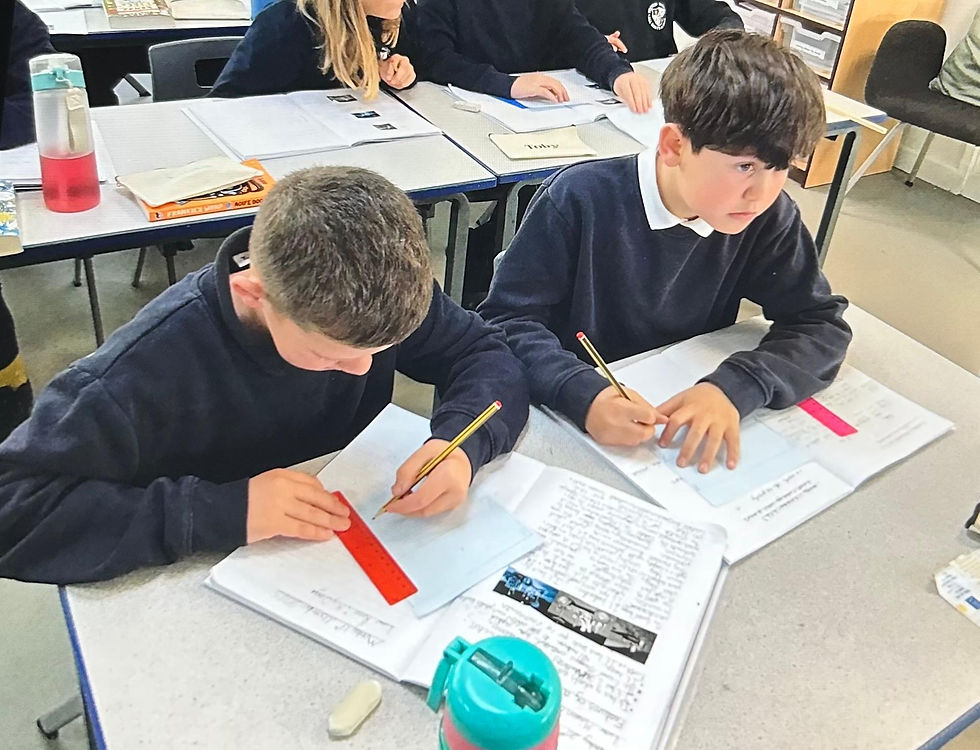


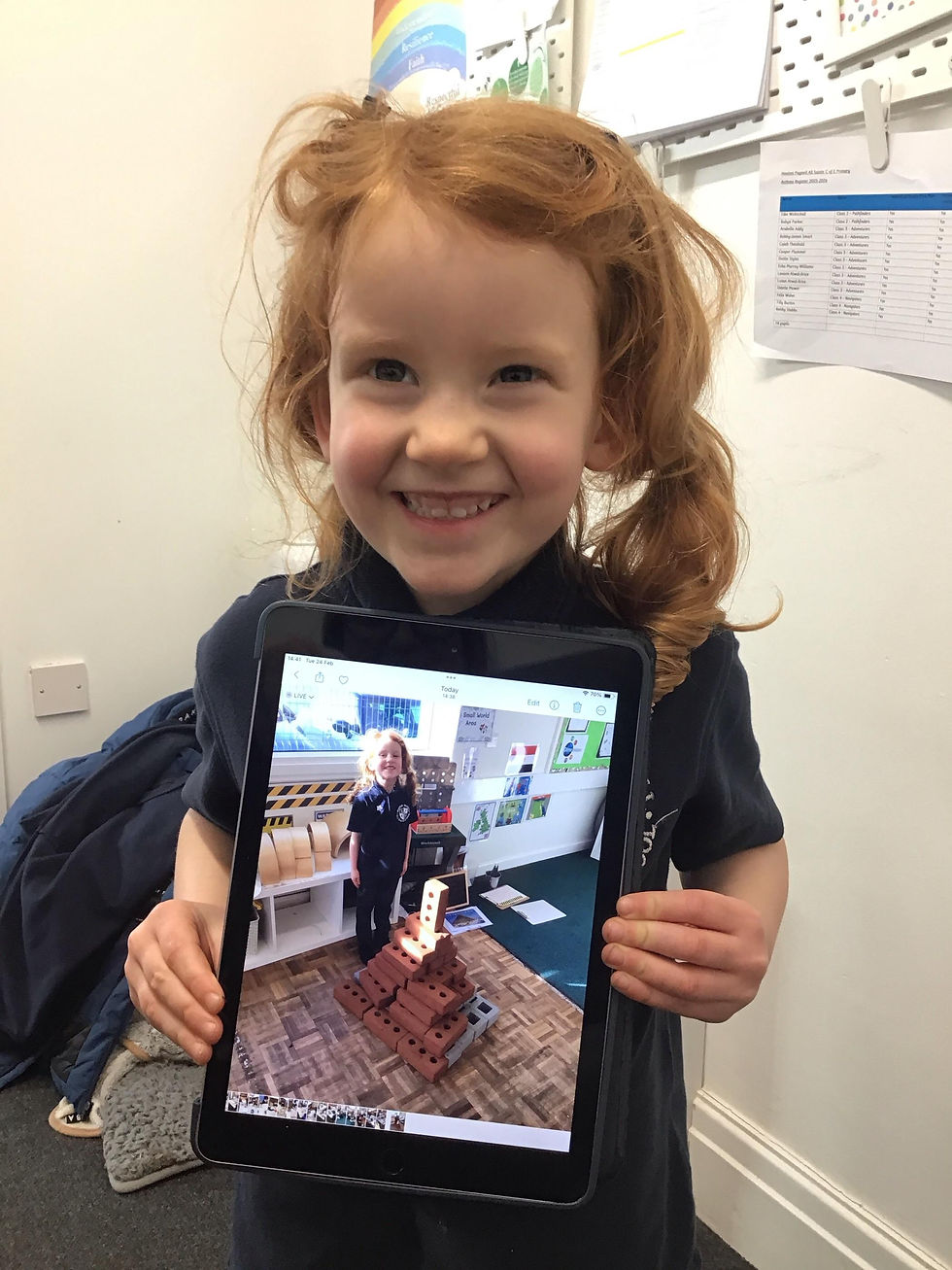

DT
Subject Overview
DT
Knowledge Building
DT
Progression Map
DT
KS1 National Curriculum Coverage
DT
KS2 National Curriculum Coverage