Writing at Hooton Pagnell All Saints
School Writing Subject Lead: Mrs S. Hall
Our Vision & Intent
At Hooton Pagnell All Saints, writing is at the heart of learning. Our curriculum is designed to develop confident, motivated, and successful writers who can communicate effectively and creatively. Guided by the research-informed principles from the Writing for Pleasure Centre, we nurture curiosity, independence, collaboration, and a love of writing, reflecting our Christian values of respect, care, and perseverance.
Pupils are provided with purposeful, meaningful opportunities to write for a range of audiences and purposes. By exploring high-quality texts and diverse genres, children develop their creativity and understanding of language while building the skills needed to express ideas clearly and thoughtfully. Through writing, pupils learn to reflect on themselves and the world around them, supporting our vision of preparing pupils to flourish in their futures as confident, articulate and reflective communicators.
Implementation
Our curriculum is delivered through high-quality teaching and regular writing opportunities. Pupils write every day and for real audiences, ensuring their writing has purpose and meaning. Lessons balance the teaching of compositional skills with the explicit teaching of transcription (handwriting and spelling) so that pupils can express ideas fluently and confidently. High-quality texts and diverse genres inspire creativity and broaden pupils’ understanding of language.


Lesson Structure
Writing lessons are designed to balance explicit teaching of skills with opportunities for creativity and personal expression. Lessons typically include:
· A focused objective linked to the type of writing or grammar/punctuation being taught.
· Teacher modelling of professional writing techniques and strategies.
· Shared or independent writing tasks where pupils apply skills in context.
· Opportunities for reflection, improvement and self-assessment.
· Supportive scaffolds, including visual aids, ICT tools, templates, and multi-sensory resources when required.
Lessons are flexible and adapted to meet the needs of all learners, encouraging curiosity, collaboration, independence, and perseverance. Pupils are empowered to take ownership of their learning, celebrate their achievements, and develop pride in their writing.
Transcription Skills
Handwriting and spelling are taught systematically to build strong transcription skills, reducing cognitive load and enabling pupils to focus on the quality and creativity of their writing. We follow the Spelling Shed scheme and our handwriting policy to ensure consistent progression and high standards across the school.
Adaptations
Our English curriculum has been carefully developed to meet the needs of all children at Hooton Pagnell All Saints C of E Primary School.
To ensure accessibility and success for all pupils, lessons may include:
· Use of visual prompts, word banks, or writing supports.
· Multi-sensory approaches for handwriting and spelling (e.g., sand, clay, ICT).
· Simplified or scaffolded tasks to build confidence and independence.
· Collaborative writing opportunities to support discussion and idea-sharing.
· Tailored ICT support, including programmes such as Clicker 8, for pupils needing additional access to writing tools.
These adaptations ensure that every child can participate fully, develop skills at their own pace, and flourish as a writer.
Impact
The impact of our writing curriculum is evident in pupils who are confident, competent, and enthusiastic writers.
Pupils demonstrate:
· Fluency and accuracy in handwriting, spelling, and punctuation.
· Creativity and independence in composing texts for a variety of audiences and purposes.
· The ability to plan, revise, and improve their own work.
· Confidence in expressing ideas clearly and thoughtfully.
· Resilience and perseverance when tackling challenging writing tasks.
· Respect for their own work and the contributions of others.
By the end of each year group, pupils have developed the skills, knowledge, and attitudes to communicate effectively and creatively. They leave with the confidence, curiosity, and independence to flourish as lifelong learners and capable communicators who take pleasure in writing.
Writing at HP Cycle One
2025-2026
Class Writing Overviews
Cycle One
2025-2026
Writing Progression Document
School Handwriting Policy
Spelling - Medium Term Plans
Writing at HP Cycle Two
2026-2027
Class Writing Overviews
Cycle Two
2026-2027
Pupil Voice Statements
-
"I love writing in my creative writing book. I can write about things that I really like and make up my own stories" ~ Archie, Y6 pupil
-
"I really enjoyed delivering my letter about plastic pollution to local residents" ~ Emily, Y6 pupil
-
I loved writing an extra scene for our class novel, Holes, based on an encounter with the dreaded Yellow Spotted Lizard!" ~ Oliver, Y5 pupil
-
“I enjoyed learning about the Greek Olympic games and then doing a report on these” – Fern, Y3 pupil
-
"I enjoyed writing a letter to the prime minister" - Robyn, Y1 pupil
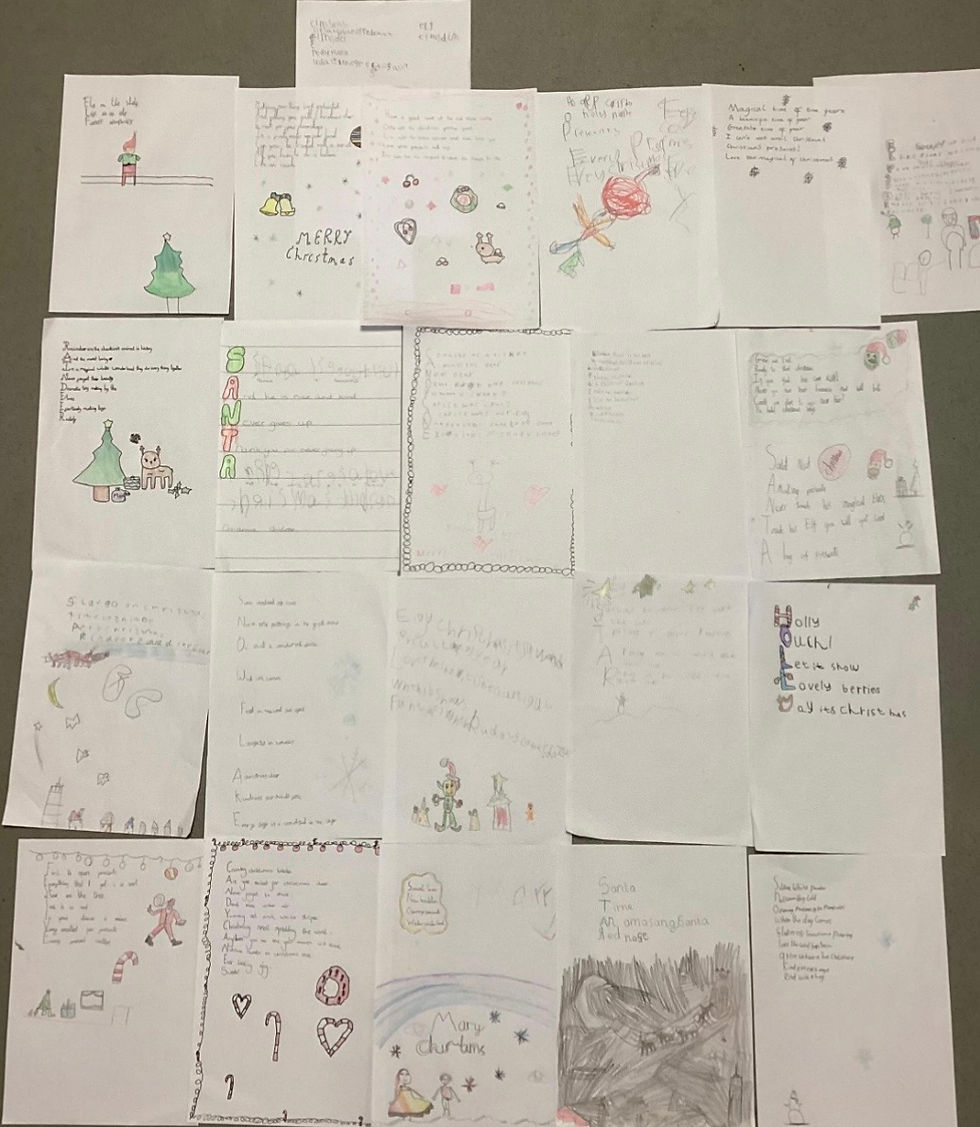
Showcasing Our Writing